
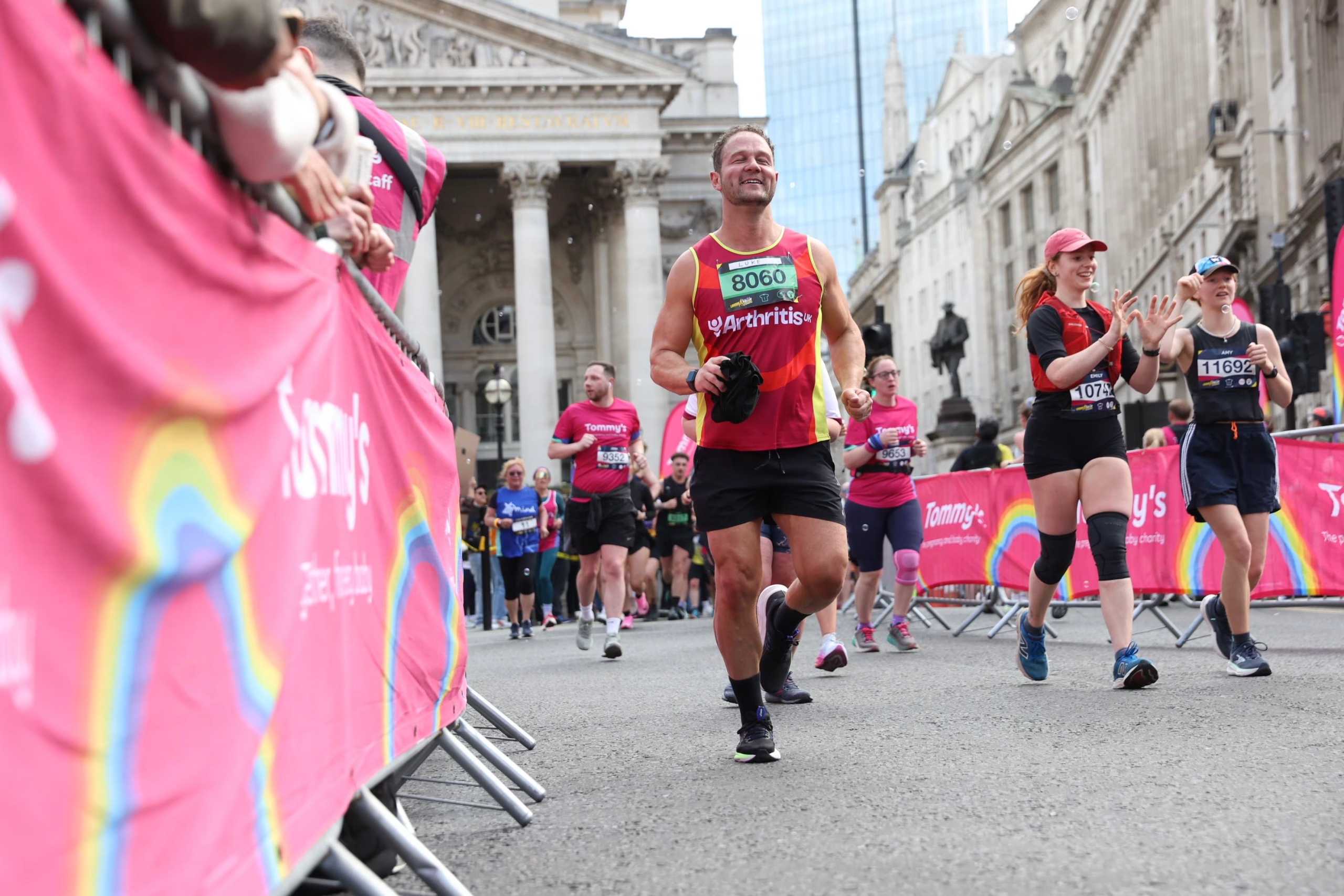
After completing the London Landmarks Half Marathon 2026 in support of Arthritis UK injury-free. I wanted to share some relevant information. Whether you’re preparing for your first marathon, returning to running after an injury, or running regularly to improve your fitness, preventing injuries is the key to consistent training and enjoying race day.
Running is one of the most effective forms of exercise for improving cardiovascular health, maintaining a healthy weight, strengthening muscles and supporting mental wellbeing. However, repetitive loading through the feet, ankles, knees and hips means that many runners will experience pain or injury at some point.
At LG Physiotherapy, Ultrasound & Injection Clinic, we provide expert physiotherapy, helping people recover from injury, manage joint pain, tendon pain and muscle pain, to improve performance and stay active. Through comprehensive assessment, personalised rehabilitation, diagnostic ultrasound and ultrasound-guided injections where appropriate, we help runners of all abilities achieve their goals.
Why Running Is Good for Your Health
Running is far more than simply putting one foot in front of the other. Regular running has been shown to:
- Improve cardiovascular fitness
- Strengthen muscles, tendons and bones
- Reduce the risk of heart disease and type 2 diabetes
- Support weight management
- Improve mental wellbeing and reduce stress
- Increase energy levels
- Improve balance and coordination
- Help maintain healthy joints through stronger supporting muscles
For people living with joint pain, tendon pain and muscle pain, the right exercise programme can often reduce pain, improve mobility and maintain independence.
Why Do Running Injuries Happen?
Almost running injuries are overuse injuries, meaning they develop gradually rather than from one specific incident.
Common causes include:
- Increasing mileage too quickly
- Poor recovery between runs
- Muscle weakness
- Reduced flexibility
- Poor running biomechanics
- Previous injuries
- Unsuitable footwear
- Lack of strength training
- Training through pain
Many of these risk factors can be identified and addressed through an assessment with a sports physiotherapist, helping to reduce the likelihood of injury before it becomes a long-term problem.
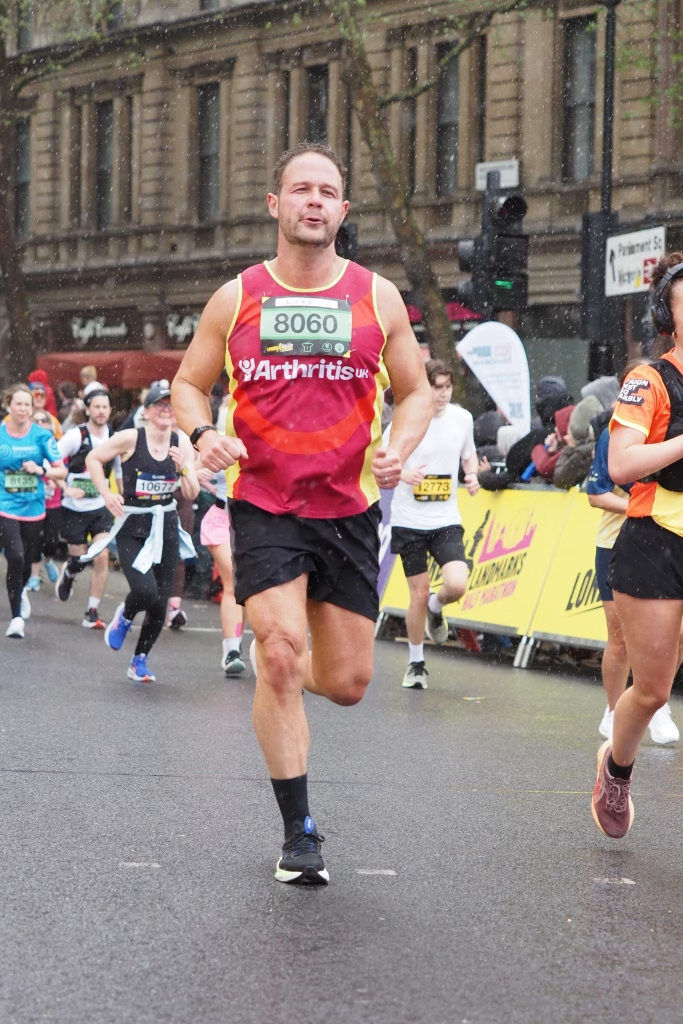
Common Running Injuries
At LG Physiotherapy, we regularly assess and treat runners with a wide range of musculoskeletal conditions.
Runner’s Knee (Patellofemoral Pain Syndrome)
Runner’s knee is one of the most common causes of knee pain when running. Symptoms often include pain around or behind the kneecap, particularly when running downhill, climbing stairs or sitting for prolonged periods.
Treatment focuses on strengthening the hips and quadriceps, improving movement patterns and gradually returning to running.
Achilles Tendinopathy
Pain and stiffness in the Achilles tendon are particularly common when increasing training intensity.
Early physiotherapy, including manual therapy, dry needling, progressive loading exercises and activity modification, often produces excellent outcomes.
Plantar Fasciitis
Pain under the heel, especially during the first few steps in the morning, is often caused by plantar fasciitis.
Treatment may include stretching, strengthening, footwear advice, manual therapy, injection therapy and rehabilitation exercises.
Shin Splints
Medial Tibial Stress Syndrome, commonly known as shin splints, frequently affects runners who rapidly increase their training volume.
Physiotherapy helps identify contributing factors such as training errors, footwear and muscle weakness. Treatment may include stretching, strengthening, footwear advice, manual therapy, injection therapy and rehabilitation exercises.
IT Band Syndrome
Pain on the outside of the knee is commonly caused by irritation of the iliotibial band.
Treatment usually includes strengthening the hip muscles, improving running mechanics and addressing training load.
Hip Pain and Gluteal Tendinopathy
Hip pain can significantly affect running performance and is often linked to weakness in the pelvis and hip muscles.
Targeted rehabilitation can improve stability, reduce pain and restore confidence when running. Treatment may include stretching, strengthening, footwear advice, manual therapy, injection therapy and rehabilitation exercises.
Calf and Hamstring Injuries
Muscle strains commonly occur when speed training or hill running is introduced too quickly.
A structured rehabilitation programme and hands-on treatment help restore strength while reducing the risk of reinjury.
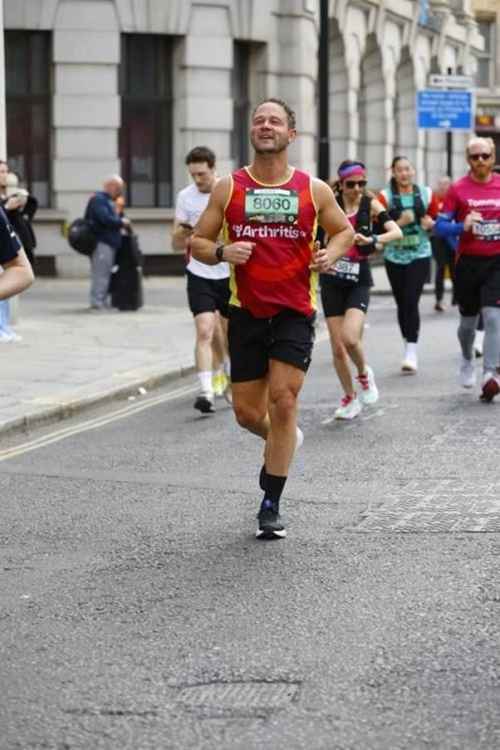
How Physiotherapy Helps Prevent Running Injuries
Many people think physiotherapy is only needed after an injury has occurred. In reality, specialist physiotherapy is one of the most effective ways to prevent running injuries.
A detailed assessment can identify:
- Muscle weakness
- Reduced joint mobility
- Poor balance
- Movement compensations
- Running biomechanics
- Previous injury risk
- Training errors
Following assessment, your physiotherapist will develop an individual rehabilitation programme designed to improve movement, increase strength and reduce injury risk.
Our aim is not only to treat pain but to keep you running for years to come.
Running Gait Analysis and Biomechanics
Every runner has a unique running style.
Assessing your running biomechanics can identify factors contributing to injury, including:
- Overstriding
- Cadence
- Hip control
- Foot loading
- Trunk stability
- Ankle mobility
Small changes in technique, combined with strengthening exercises, can improve running efficiency and reduce excessive stress on joints and tendons.
Strength Training for Runners
Running alone is not enough to build resilience.
Research consistently shows that strength training helps reduce overuse injuries while improving running economy.
Focus on strengthening:
- Gluteal muscles
- Quadriceps
- Hamstrings
- Calves
- Hip stabilisers
- Core muscles
Aim to complete two strength sessions each week alongside your running programme.
Recovery Is Essential
Your body becomes stronger during recovery—not during the run itself.
Prioritise:
- 7–9 hours of sleep
- Adequate protein intake
- Good hydration
- Rest days
- Mobility exercises
- Cross-training such as cycling or swimming
Ignoring recovery often leads to persistent overuse injuries.
Running With Arthritis
Receiving a diagnosis of arthritis does not necessarily mean you have to stop running.
Many people with osteoarthritis or inflammatory arthritis can continue running safely with the right advice and rehabilitation.
Regular exercise can help:
- Reduce joint stiffness
- Improve muscle strength
- Support weight management
- Improve balance
- Maintain independence
- Reduce pain over time
Every runner is different, which is why a personalised assessment is important. At LG Physiotherapy, we work closely with people living with arthritis to help them remain active while protecting their joints.
As proud supporters of Arthritis UK, we understand the importance of helping people stay active throughout life.
When Are Ultrasound-Guided Injections Appropriate?
Most running injuries improve with a combination of physiotherapy, progressive exercise and rehabilitation.
However, some persistent conditions may benefit from ultrasound-guided injections following a thorough clinical assessment.
These may include:
- Knee osteoarthritis
- Hip osteoarthritis
- Bursitis
- Certain inflammatory joint conditions
Depending on your diagnosis, treatment options may include:
- Ultrasound-guided corticosteroid injections
- Hyaluronic acid injections
- Other evidence-based injectable therapies where appropriate
Ultrasound guidance allows accurate placement of medication into the affected joint or soft tissue, improving precision and reducing discomfort.
Importantly, injections are not a replacement for physiotherapy. They are most effective when combined with an evidence-based rehabilitation programme that addresses the underlying cause of your symptoms.
When Should You See a Physiotherapist?
Seek professional advice if you experience:
- Knee pain when running
- Hip pain during or after running
- Achilles pain
- Heel pain
- Foot pain
- Persistent calf tightness
- Swelling around a joint
- Pain lasting more than a few days
- Pain that changes your running style
- Difficulty returning to training after an injury
Early treatment usually leads to faster recovery and reduces the likelihood of long-term problems.
Returning to Running After Injury
Returning to running too quickly is one of the most common reasons injuries recur.
A successful return-to-running programme should include:
- Pain reduction
- Restoration of strength
- Progressive loading
- Running-specific exercises
- Gradual increase in distance and intensity
- Ongoing monitoring of symptoms
Our physiotherapists develop personalised return-to-running plans to help you regain confidence while minimising reinjury risk.
Preparing for a Marathon
To maximise your chances of crossing the finish line injury-free:
- Follow a structured training plan.
- Increase mileage gradually (no more than 10% per week as a general guide).
- Include two strength sessions each week.
- Prioritise recovery and sleep.
- Replace worn-out running shoes.
- Stay hydrated and fuel appropriately.
- Listen to your body.
- Seek physiotherapy early if pain develops.
Consistency is far more valuable than pushing through pain.
How LG Physiotherapy Can Help
At LG Physiotherapy, Ultrasound & Injection Clinic, we provide evidence-based care for runners across Essex, whether you’re training for your first 5K, a half marathon, a marathon or simply enjoy running recreationally.
Our services include:
- Physiotherapy for runners
- Sports physiotherapy
- Musculoskeletal physiotherapy
- Running injury assessment
- Running gait assessment
- Sports rehabilitation
- Arthritis physiotherapy
- Diagnostic ultrasound
- Ultrasound-guided injections
- Knee pain treatment
- Hip pain treatment
- Achilles tendinopathy treatment
- Plantar fasciitis treatment
- Return-to-running rehabilitation
Our goal is simple: to keep you moving, reduce pain and help you enjoy running for years to come.
Frequently Asked Questions
Is running bad for your knees?
For most people, no. Recreational running does not appear to increase the risk of developing knee osteoarthritis and may even support long-term joint health when combined with appropriate strength training and recovery.
Can physiotherapy prevent running injuries?
Yes. Physiotherapy can identify movement problems, muscle weakness, reduced mobility and training errors before they develop into more serious injuries.