
Patient Background
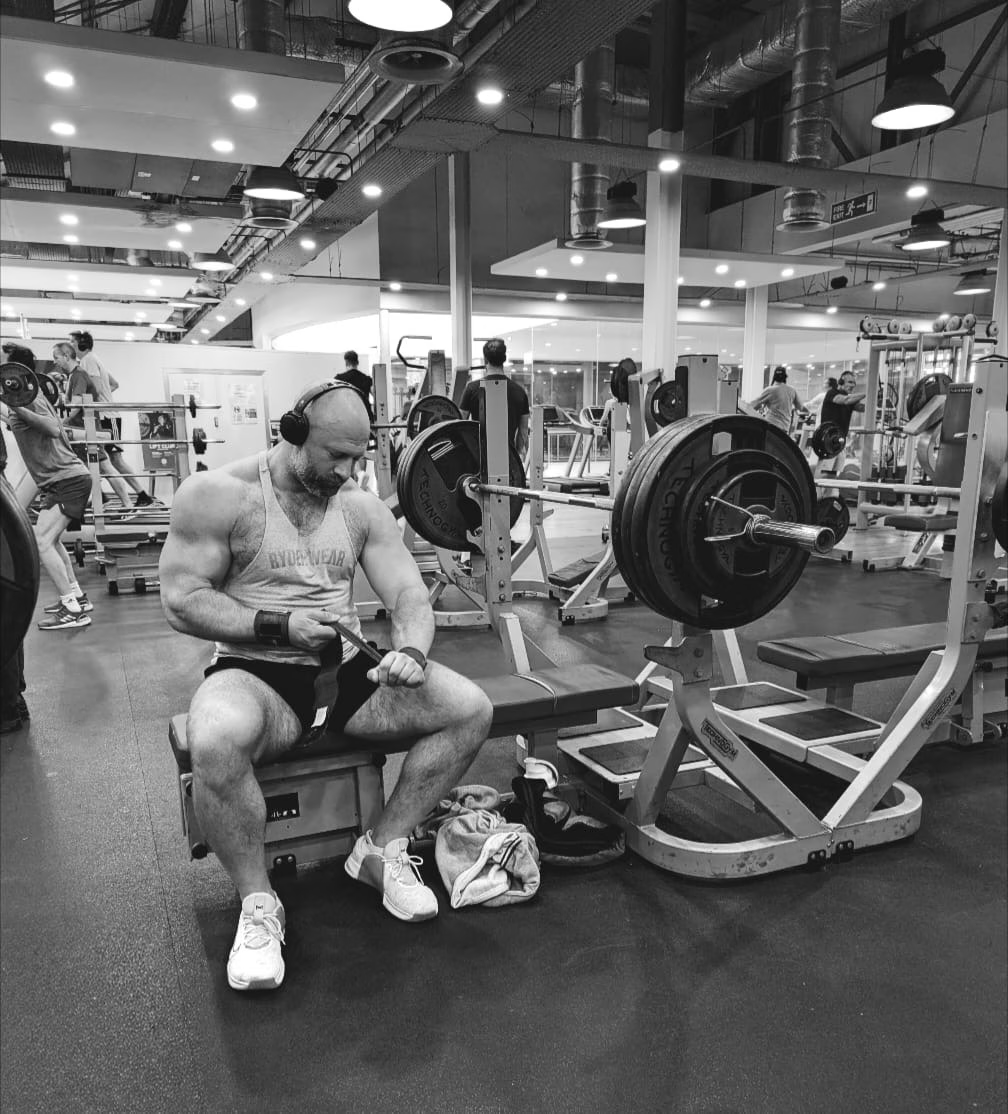
James is a 43-year-old competitive strength athlete with an extensive sporting background. He competes in the hammer throw, holds a black belt in judo, and previously held a world record in sprint cycling. His training routinely involves low and high-intensity resistance exercise and sport-specific loading.
History of Presenting Complaint
In December 2024, James developed acute pain in his left elbow while performing a Pendlay row. Given the substantial forces transmitted through the elbow during heavy pulling movements, the injury significantly affected his ability to continue strength training and participate in sport.
Many strength athletes attempt to train through pain, often hoping symptoms will resolve without intervention. However, continued loading of an injured tissue can contribute to increased irritation, delayed healing, reduced performance, and a greater risk of secondary compensatory injuries. Recognising the severity of his symptoms, James sought assessment promptly rather than continuing to train through pain.
Clinical Assessment and Diagnosis
James attended the clinic in January 2025 for a comprehensive musculoskeletal assessment, including a diagnostic ultrasound examination.
Clinical findings, supported by ultrasound imaging, confirmed a severe distal brachioradialis tear of the left upper limb. The diagnosis correlated with his mechanism of injury, symptom presentation, and functional limitations during pulling and gripping activities.
Early identification of the injury allowed an appropriate rehabilitation strategy to be implemented before the development of chronic symptoms or significant functional decline.
Physiotherapy Management
A structured, individualised rehabilitation programme was developed based on the severity of the injury, James’ sporting demands, and his goal of returning to high-level performance.
The rehabilitation programme focused on:
- Pain reduction and management of tissue irritation
- Progressive loading of the healing musculotendinous unit
- Restoration of grip strength and pulling capacity
- Improvement of elbow strength, stability, and function
- Gradual reintegration into strength training and sport-specific activities
- Safe return to competitive performance
Load management was a key component of rehabilitation, ensuring that tissue capacity improved progressively while minimising the risk of re-injury.
Rehabilitation Progress
A major contributor to James’ successful outcome was his exceptional adherence to the rehabilitation programme. A key element to James’s recovery was the modifications to his bench press. James switched his technique to a reverse grip. We agreed on prescribed loading parameters closely, he completed his exercises consistently, and progressed through each stage of rehabilitation as recommended when required.
Poor adherence to rehabilitation programmes remains one of the most common reasons musculoskeletal injuries become persistent or recurrent. Premature return to heavy loading, inadequate exercise compliance, and failure to respect tissue healing timelines can all compromise recovery outcomes. James demonstrated a disciplined and patient approach throughout the rehabilitation process.
As his symptoms improved, strength-based exercises were progressively advanced to reflect the demands of his sport and training. A reverse-grip bench press variation was incorporated into his programme as a strategic modification, allowing him to continue developing pressing strength while reducing stress on the injured tissue.
Outcome
Following completion of the rehabilitation programme, James successfully returned to high-level strength training without ongoing pain or functional limitation.
Key achievements included:
- Return to bench pressing in excess of 200 kg pain-free
- Full return to sprint rowing activities
- Ability to complete a 100 m sprint rowing effort in under 15 seconds without symptoms
- Restoration of grip strength and pulling capacity
- Return to unrestricted training and competition preparation
James has now set his sights on competing for the Indoor Rowing Sprint Championship in 2026.
Key Learning Points
Appropriate rehabilitation enabled a safe return to elite-level strength and sporting performance without persistent symptoms.
Early assessment and accurate diagnosis are critical for optimal outcomes.
Diagnostic ultrasound provided valuable confirmation of the injury and guided treatment planning.
Progressive loading and evidence-based rehabilitation were essential for restoring tissue capacity.
Patient adherence played a significant role in the successful outcome.
How can I book?
You can book online @ https://lgphysiotherapy-ultrasound-injection-clinic.co.uk